Bursa's climate in one paragraph
Bursa has a transitional Marmara climate: warm dry summers, mild wet winters in the city, and genuine alpine winter on Uludağ only 35 km away. City temperatures average around 5–9 °C in January and 27–30 °C in July, while the mountain can sit below freezing when the plain is merely cool. Rain concentrates between November and March. Because of that vertical range you can ski in the morning and walk a green city park the same afternoon — which is exactly why timing matters here.
April to June — the best all-round window
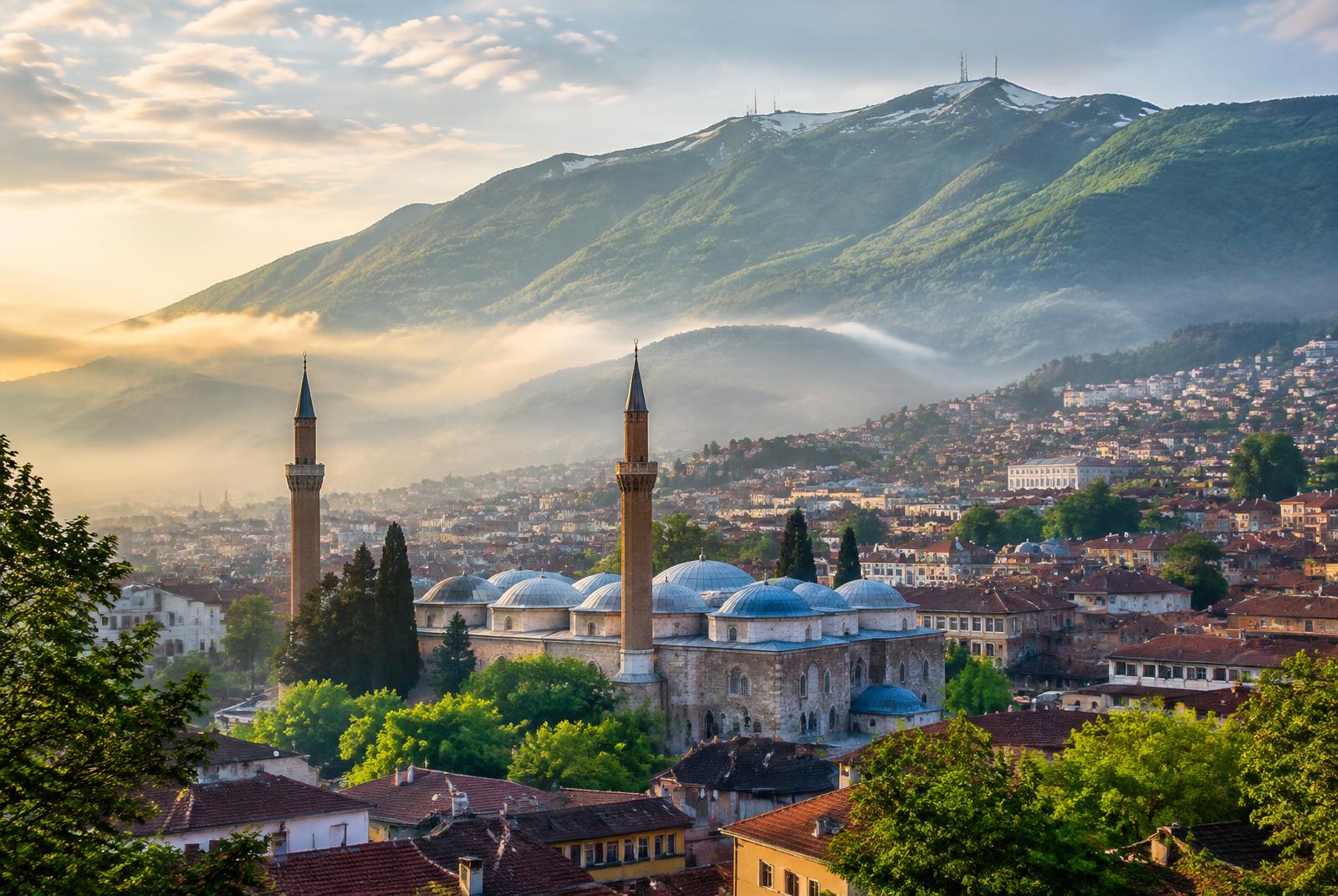
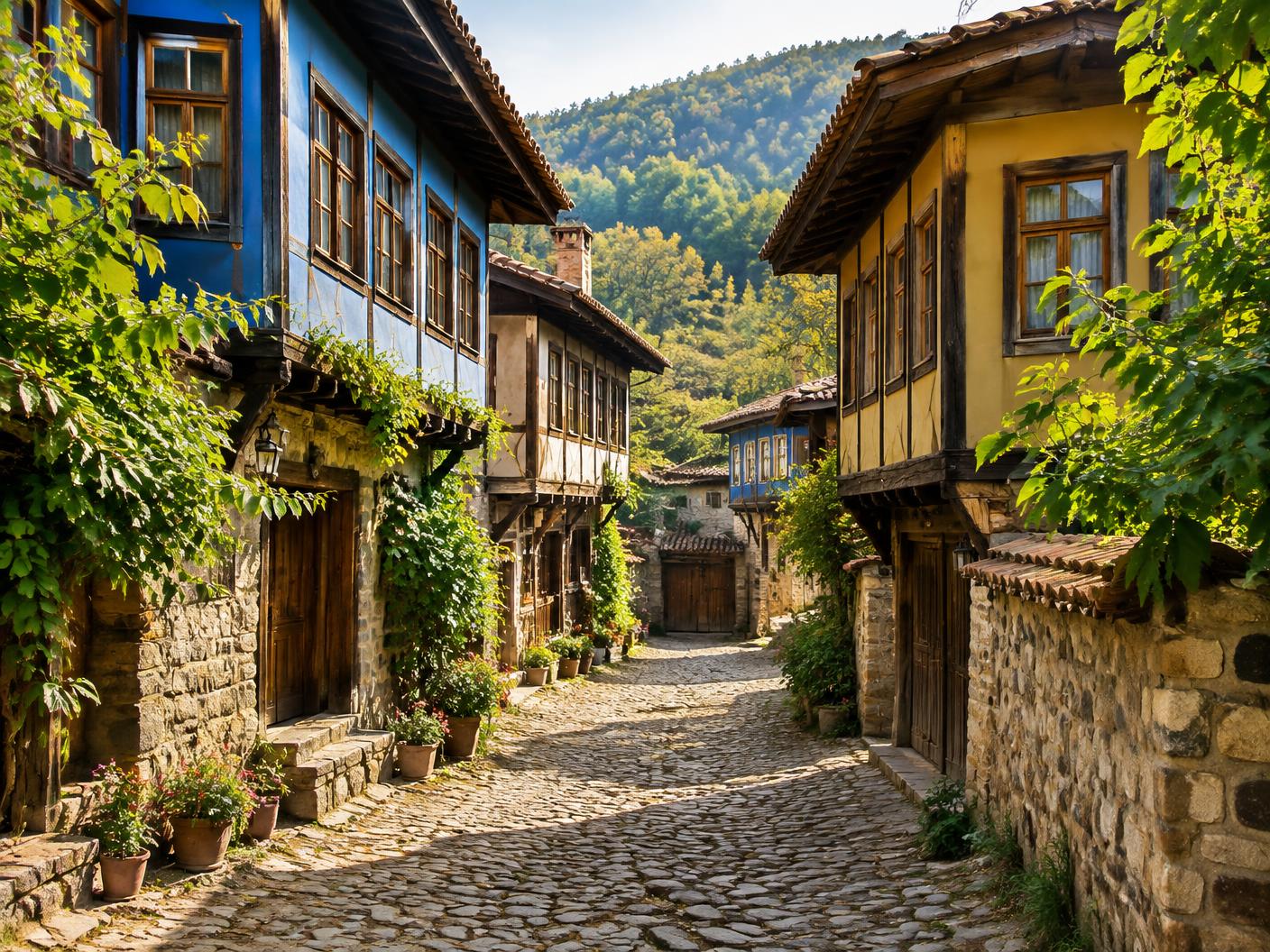
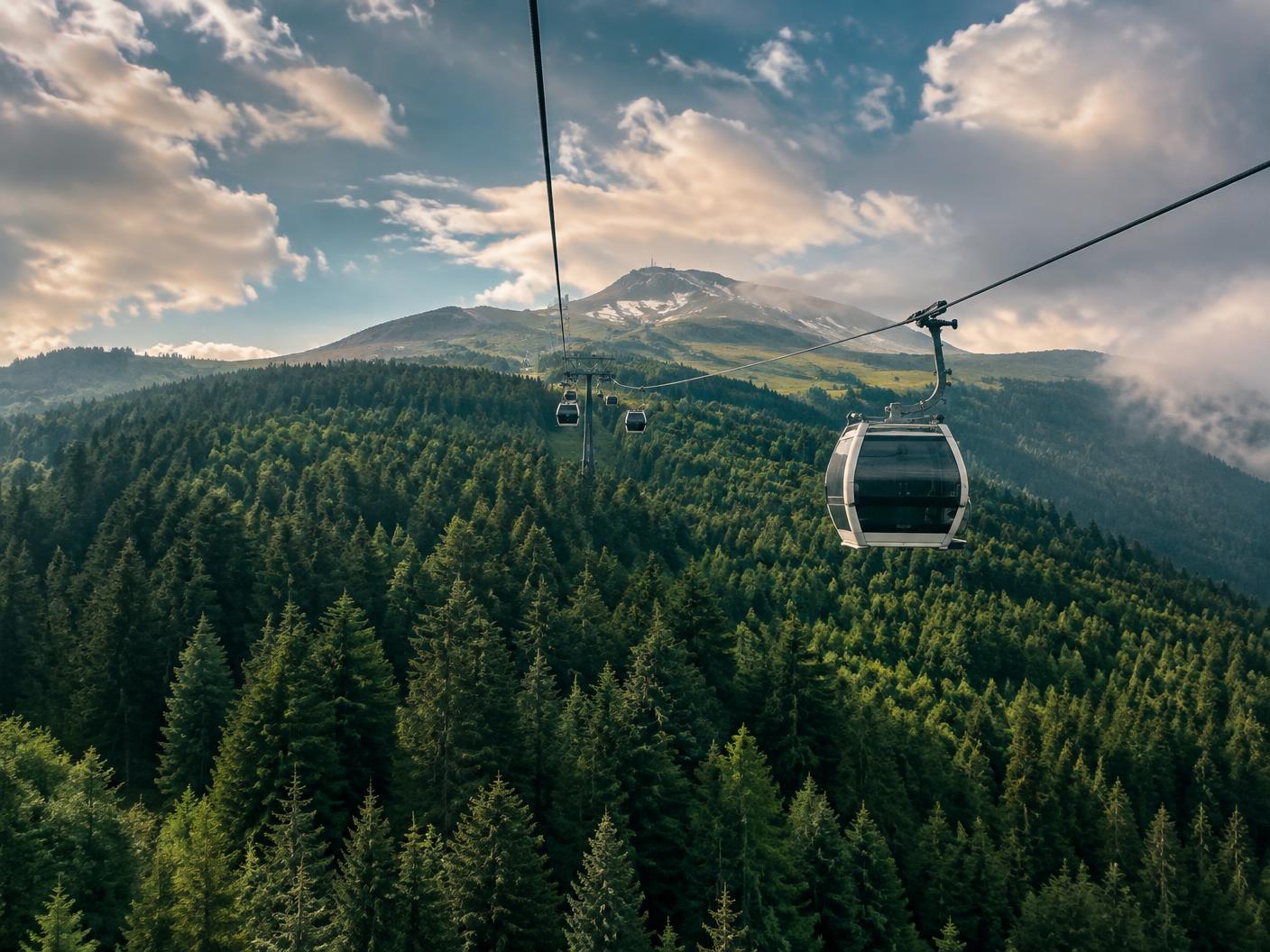
Late spring is the strongest choice for a first visit. Daytime highs move from the high teens to the mid twenties, the Uludağ foothills are green, Cumalıkızık's orchards blossom, and long walks around Muradiye and Tophane are comfortable at any hour. The cable car still reaches snow patches at the top in April, so you get two seasons in one day. Rain showers are possible, so pack a light waterproof layer, and note that local schools' holidays start in mid-June and fill weekend hotels.
July and August — coast and mountain
High summer in the city is hot and humid, often 30 °C or more in the afternoon. Plan monuments and the bazaar for the morning, then move to cooler ground: Sarıalan on Uludağ for forest shade and grill lunches, or Mudanya and Tirilye for swimming and seafood dinners on the water. This is also the only season with a full sea-bus timetable from Istanbul. Book ahead — August weekends are the busiest of the year for both coastal hotels and mountain guesthouses.
September to November — quiet and golden
September still feels like summer at the sea but the city is calm again after the school holidays. October is the connoisseur's month: chestnut harvest, beech forests turning on the Uludağ road, clear views from Tophane, and lower hotel prices midweek. By November rain increases and the mountain road can be misty, but this is when thermal hotels in Çekirge are at their most appealing. If you want photographs of Cumalıkızık without crowds, come on a weekday in the second half of October.
December to March — Uludağ ski season
Snow usually settles on Uludağ from late December and the lifts normally operate into March, with the most reliable cover in January and February. Hotel prices at the mountain resort peak over the New Year and during the February school holiday, when day-visitor traffic on the road is heaviest too. The city below stays mild and green, so a winter trip can combine a snow day with ordinary sightseeing in a coat. Always check live snow and lift reports before driving up, and carry winter tyres or chains.
What to pack for each season
Year-round, bring shoes with grip: the old city is built on a slope and Cumalıkızık is all cobblestones. In spring and autumn add a light waterproof jacket and one warm layer for the cable car. In summer bring sun protection, swimwear for the Marmara coast and a scarf for mosque visits. In winter bring a proper coat, gloves and waterproof boots even if you are staying in the city, because the mountain is the reason most people come and the temperature difference is dramatic.
Crowds, prices and local holidays
Weekends are the single biggest factor in how Bursa feels. Cumalıkızık, the cable car and the coastal fish restaurants fill with visitors from Istanbul every Saturday and Sunday, and hotel rates rise with them. Travelling Monday to Thursday can mean half the queues and noticeably lower prices for the same rooms. Avoid the two religious holidays, Ramazan Bayramı and Kurban Bayramı, and the New Year week if you dislike crowds: domestic tourism peaks, the mountain road can be bumper to bumper, and many small village kitchens close for family time. Conversely, those same holidays are the liveliest time in the bazaar if atmosphere matters more to you than space.