İskender kebab, where it was invented
İskender kebab was created in Bursa in the late nineteenth century and is still the city's signature dish. Thin slices of marinated döner lamb are laid over cubes of pide bread, covered in a light tomato sauce and served with strained yoghurt, then finished at the table with melted butter poured over the top. Order one portion between two if you plan to eat anything else that day; ask for the butter on the side if you prefer it lighter, and drink ayran or şıra with it rather than a soft drink.
Pideli köfte and the meatball tradition
Pideli köfte is the local dish most visitors miss. Grilled meatballs are placed on buttered pide, moistened with a meat broth and tomato sauce, and served with yoghurt — softer and less rich than İskender and often cheaper. It belongs to the Inegöl and central Bursa tradition of dairy-fed beef, which is also why the city's plain köfte tastes different from Istanbul's. Ask whether the kitchen serves it kıtır, with a crisper bread base, if you dislike soft-soaked bread.
Cumalıkızık breakfast
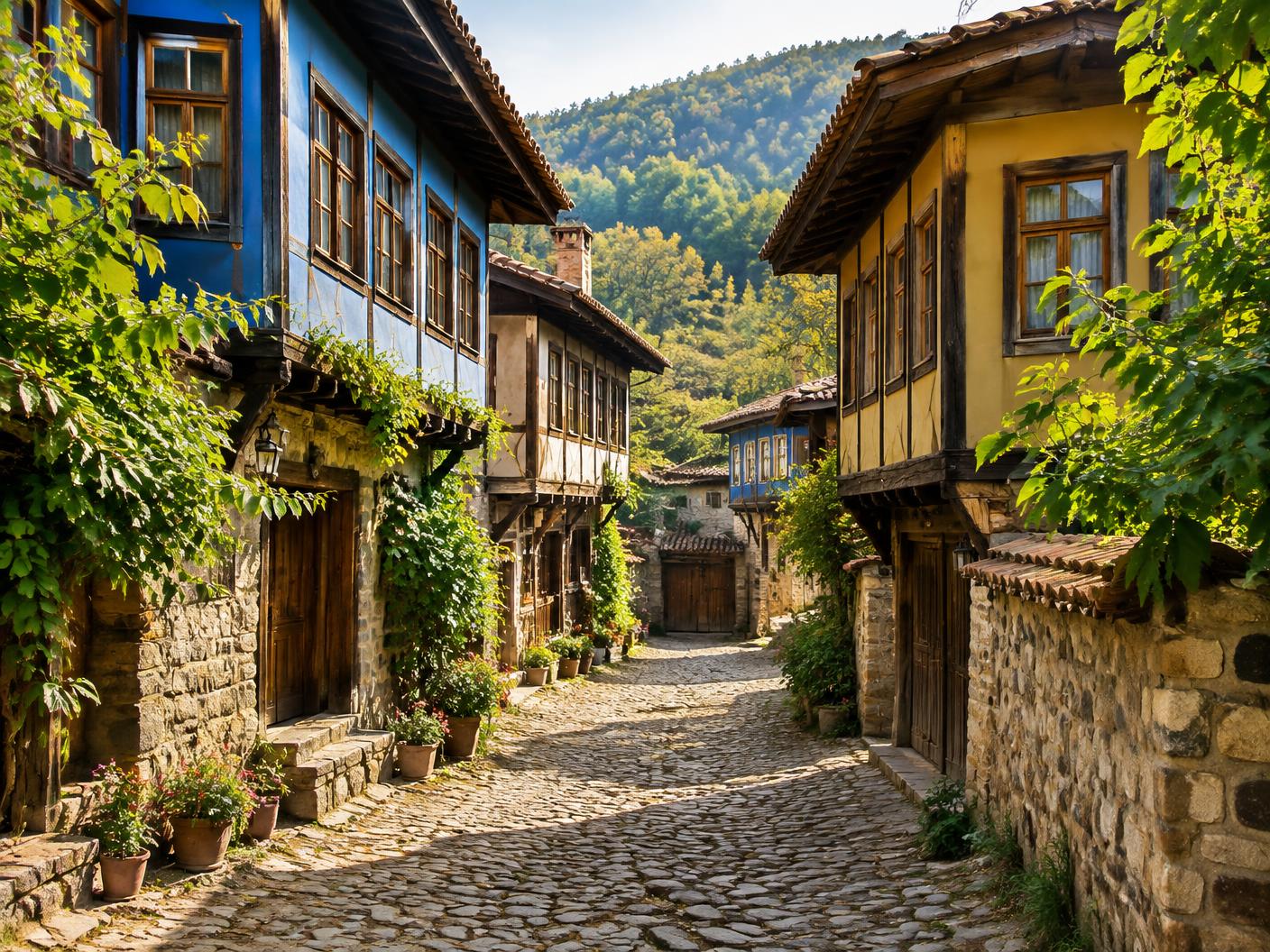
The village breakfast in Cumalıkızık is a meal, not a snack: ten to twenty small plates arrive on a tray — village bread and pastry, clotted cream with walnut and honey, homemade jams from mulberry and cherry, olives, white cheese, tomato and cucumber, eggs with sucuk or menemen, and unlimited tea. Go hungry, go before 11:00 at weekends, and expect to sit for at least ninety minutes. One order is generally enough for two adults; portions are built for sharing at a table.
Bakery counters: cantık and tahinli pide
For cheap, genuinely local eating, use neighbourhood bakeries. Cantık is a small oval flatbread topped with minced meat and onion, sold by the piece and eaten standing up — the city's true street food. Tahinli pide is a sweet swirled bread with tahini and sugar, perfect with tea in the afternoon. Also look for kestaneli ekmek in autumn and pide with kaşar cheese straight from the wood oven. These counters open early and sell out by mid-afternoon, so do not leave it until evening.
Sea and mountain plates
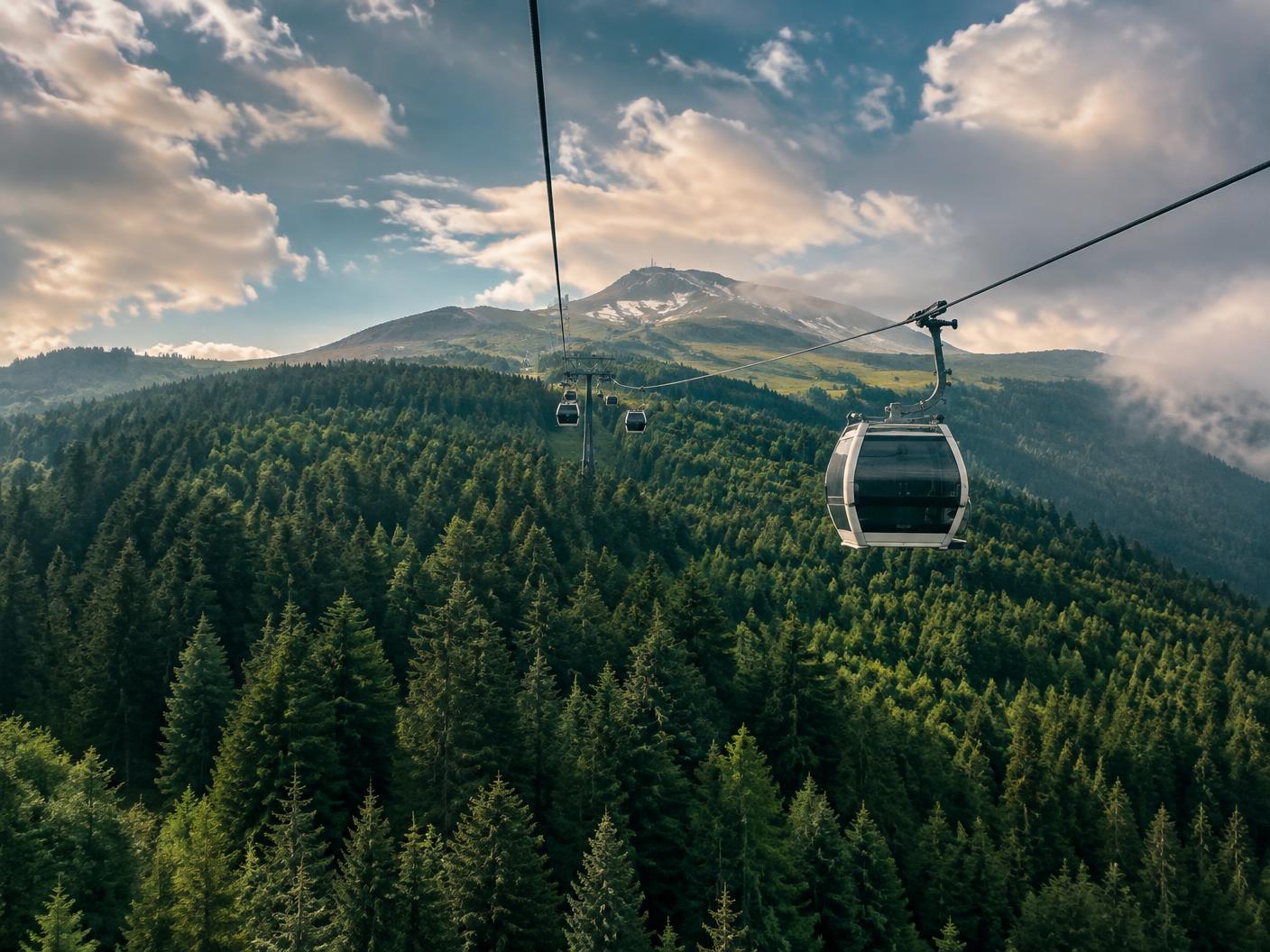
On the Marmara coast at Mudanya and Tirilye the menu changes completely: grilled sea bass and bream, calamari, shrimp casserole, marinated anchovy, and cold starters dressed in local Tirilye olive oil. Ask what was landed that morning rather than ordering from the photo menu. Up on Uludağ the food is mountain-simple — grilled lamb chops, trout, gözleme cooked on a griddle, lentil soup and hot sahlep in winter. Neither area needs a reservation on weekdays, but Saturday lunch by the sea does.
Sweets and edible souvenirs
Bursa's chestnuts grow on the Uludağ slopes and kestane şekeri, candied chestnut, is the classic gift — sold plain, glazed or chocolate-dipped in the bazaar and at dedicated shops near Ulu Cami. Try kemalpaşa dessert, small syrup-soaked cheese balls served warm, and look for mulberry and cherry products from Cumalıkızık. Other things worth carrying home are Tirilye olive oil, dried İznik fruit, silk scarves from Koza Han and a Bursa-made towel. Buy chestnuts last: they are heavy and best kept cool.
How to order, and what things cost
Most kebab houses in Bursa work by portion: bir buçuk means one and a half portions and is what locals order when hungry. Bread, salad, pickles and water are usually charged separately, so a cheap-looking menu price grows by a third at the till. Tea is inexpensive everywhere and often offered free after a meal. Halal meat is the norm in Turkish kitchens; alcohol is served in a minority of restaurants, mostly on the coast, and rarely in bazaar kebab houses. Vegetarians do well with mercimek çorbası, mezes, gözleme with cheese and potato, and menemen, though genuinely vegan options are limited outside the salad and olive-oil dishes.